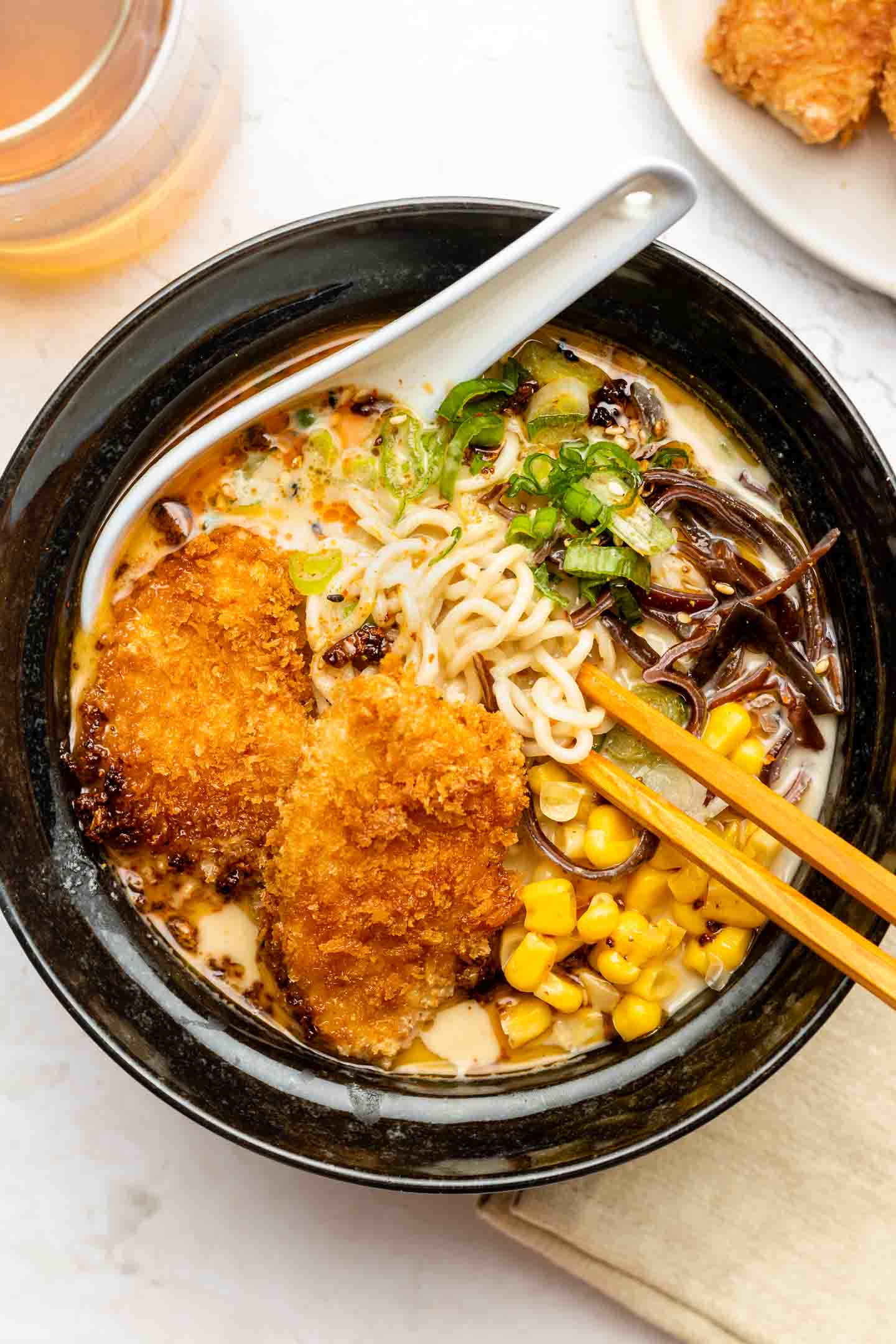
Rival Tonkotsu: The Secret to Creamy Vegetarian Ramen Broth
For many, the mention of ramen conjures images of rich, opaque broths, often simmered for hours with pork bones – the very essence of traditional tonkotsu. It’s a dish celebrated for its profound depth of flavor, its luscious mouthfeel, and its incredible ability to comfort. But what if we told you that the same luxurious, umami-packed experience is not only achievable with plant-based ingredients but can also rival the complexity and creaminess of its meaty counterpart? Prepare to have your culinary world rocked, because the secret to an intensely satisfying, creamy vegetarian ramen broth is about to be unveiled.
The demand for hearty, flavorful vegetarian and vegan options has surged, and ramen, a de facto global food trend, is no exception. While many associate plant-based ramen with lighter, clearer broths, we're here to tackle the ultimate challenge: crafting a vegetarian ramen that delivers the thick, savory, and incredibly creamy texture typically found in tonkotsu. It’s a journey that proves the right plant-based ingredients can yield remarkable, even astounding, flavors.
The Quest for Unrivaled Umami in Vegetarian Ramen
The primary hurdle in creating a meatless ramen that truly satisfies is replicating the intense savoriness and depth that traditional broths derive from animal products. This is where
umami, that elusive fifth taste, becomes our guiding star. In meat-based broths, umami is inherent. For
Unlock Umami: Master Savory Vegetarian Ramen Broth at Home with vegetarian ramen, we must intentionally layer ingredients known for their high umami content.
Initially, home cooks might gravitate towards a simple vegetable broth base, perhaps infused with aromatics like ginger and garlic, and topped with an array of fresh vegetables. While delicious in its own right – offering a light and fresh alternative – this approach often falls short of the profound richness desired by those craving a "tonkotsu-style" experience. The key lies not just in adding vegetables, but in leveraging the incredible power of fermented foods, fungi, and specific dairy (or non-dairy) alternatives. Imagine the depth provided by shiitake mushrooms, kombu (seaweed), nutritional yeast, tomatoes, and various soy products – each contributing its unique brand of savory magic. It’s a culinary puzzle, but with the right pieces, the picture becomes clear: a broth so rich, you’d be hard-pressed to believe it's entirely meat-free.
Unlocking the Secret: Crafting a Creamy Vegetarian Ramen Broth
This is where the real magic happens. To achieve that signature luscious, creamy mouthfeel and profound depth often associated with tonkotsu, a strategic combination of specific ingredients is essential. These aren't just additions; they are foundational elements that transform a simple vegetable broth into something extraordinary.
The core "secrets" to a truly rich and creamy vegetarian ramen broth are:
* **Soy Milk (Unsweetened, Plain):** This is perhaps the most critical ingredient for replicating the creamy body of tonkotsu. Unlike other plant milks, unsweetened soy milk has a neutral flavor profile that blends seamlessly while contributing a silky texture and a substantial mouthfeel. Its protein and fat content create a wonderful emulsion, mimicking the richness of animal fats. Opt for full-fat, unsweetened varieties for the best results.
*
Miso Paste (Fermented Soybean Paste): A cornerstone of Japanese cuisine, miso is an umami bomb. It provides incredible savory depth and a beautiful complexity.
* **White Miso (Shiro Miso):** Milder, sweeter, and fermented for a shorter period. It's excellent for a creamy, balanced flavor profile.
* **Awase Miso:** A blend of red and white miso, offering a good balance of richness and sweetness.
* **Red Miso (Aka Miso):** Stronger, saltier, and more robust. Use sparingly or in combination for deeper flavor.
Incorporating miso at the end of the cooking process preserves its delicate probiotics and vibrant flavor.
* **Toasted Sesame Seeds or Tahini:** Beyond adding a delightful nutty aroma, toasted sesame seeds (ground into a paste or used as tahini) contribute essential oils that enrich the broth, making it feel more luxurious and creamy. Tahini, in particular, adds significant body and a distinct, earthy flavor that complements the soy and miso beautifully.
* **Spicy Chili Bean Sauce (Doubanjiang):** For those who appreciate a kick, this fermented broad bean and chili paste brings both heat and a profound, savory depth. Its fermented notes add another layer of umami and a subtle complexity that rounds out the broth beautifully. If you prefer less spice, you can reduce the amount or omit it, but it adds a truly authentic dimension.
When combined, these ingredients create a symphony of flavors and textures. The soy milk provides the canvas, the miso paints with umami, the sesame adds nutty richness, and the chili bean sauce provides a savory, spicy counterpoint. The key is to simmer these ingredients gently, allowing their flavors to meld and the broth to thicken slightly, creating an incredibly satisfying, restaurant-quality experience right in your own kitchen. For more detailed instructions on building these flavors, check out
Quick & Easy: Crafting Restaurant-Quality Vegetarian Ramen.
Beyond the Broth: Building a Complete Vegetarian Ramen Bowl
While the broth is undeniably the star, a truly exceptional ramen bowl is a harmonious ensemble of textures and flavors. Building a complete vegetarian ramen involves careful consideration of noodles, toppings, and additional garnishes.
* **Noodles:** The foundation of any ramen bowl. Look for fresh ramen noodles in the refrigerated section of your local Asian grocery store – their chewy texture and springiness are unparalleled. If fresh isn't an option, high-quality dried ramen noodles will work, but avoid instant ramen packets for the best results.
* **Vegetables:** This is where you can truly let your creativity shine and pack in nutrients. Consider a vibrant array:
* **Mushrooms:** Sliced shiitake (fresh or rehydrated dried), enoki, or oyster mushrooms add meaty texture and umami.
* **Leafy Greens:** Spinach, bok choy, or napa cabbage wilted gently in the hot broth.
* **Aromatics & Crunch:** Thinly sliced green onions, radishes (for a peppery crunch), bean sprouts, and bamboo shoots.
* **Color & Sweetness:** Corn kernels (fresh or frozen), thinly sliced bell peppers.
* **Protein & Richness:**
* **Marinated Tofu or Tempeh:** Pan-fried, baked, or air-fried until crispy, then marinated in soy sauce, mirin, and ginger.
* **Soft-Boiled Egg:** For ovo-vegetarians, a perfectly jammy soft-boiled ramen egg (ajitsuke tamago) adds incredible richness.
* **Vegan Egg Alternatives:** For truly vegan ramen, explore silken tofu purée or other plant-based egg substitutes.
* **Flavor Boosters & Garnishes:**
* **Chili Oil:** For an extra layer of heat and depth.
* **Nori (Seaweed Sheets):** Adds a subtle oceanic flavor and a beautiful visual.
* **Furikake:** A Japanese seasoning blend often containing sesame seeds, nori, and dried spices.
* **A drizzle of Sesame Oil:** Just before serving, for an aromatic finish.
The beauty of homemade ramen lies in its customizability. Experiment with different combinations to find your perfect balance of flavors and textures.
Tips for Your Home Kitchen Ramen Adventure
Embarking on your vegetarian ramen journey at home is a rewarding experience. Here are a few practical tips to ensure your bowl is nothing short of spectacular:
* **Source Quality Ingredients:** The success of your broth heavily relies on the quality of your soy milk, miso, and other key components. Visit an Asian grocery store if possible, as they’ll offer a wider selection and better quality specialist ingredients.
* **Layer Flavors Thoughtfully:** Don't just throw everything in at once. Start with sautéing aromatics like garlic and ginger, then build your broth with vegetable stock, mushrooms, and finally, incorporate the creamy elements and miso towards the end to preserve their delicate notes.
* **Don't Rush the Simmer:** While this vegetarian ramen can be quicker than its meat-based counterparts, allowing the broth to simmer gently for at least 20-30 minutes helps the flavors to deepen and meld.
* **Taste and Adjust:** This is perhaps the most crucial tip. Everyone's palate is different. Taste your broth before serving and adjust seasonings. Does it need more salt? A touch more miso? A dash of soy sauce? Perhaps a little sweetness from mirin? Trust your instincts!
* **Prepare Toppings in Advance:** To avoid soggy noodles, have all your toppings prepped and ready to go. Cook your noodles just before serving, draining them well and adding them directly to your serving bowl.
* **Embrace Experimentation:** Once you have the core creamy broth down, feel free to experiment with different spices, vegetables, and protein sources. This is your bowl, after all!
Making your own creamy vegetarian ramen at home is more than just cooking; it’s an act of culinary creativity and self-care. It’s about challenging the notion that only meat can deliver profound satisfaction and discovering the incredible versatility and depth of plant-based ingredients. So, gather your ingredients, fire up your stove, and get ready to create a bowl that not only rivals traditional tonkotsu but might just become your new favorite comfort food.